- ADVANCED CARE. PRECISE RESULTS. BETTER RECOVERY.
TARE Treatment in Mohali – Advanced Liver Cancer Care
Looking for a minimally invasive option for liver cancer treatment in Mohali? |
TARE (Transarterial Radioembolization), also known as Y90 radioembolization, is an advanced treatment that directly targets liver tumors while protecting healthy liver tissue. It offers hope to patients who may not be suitable for surgery.
Dr. Tegbir Sidhu provides image-guided liver cancer treatment using modern interventional radiology techniques for patients across Mohali, Chandigarh, Panchkula, Punjab, Haryana, and Himachal Pradesh.
- Serving Patients From: Chandigarh, Mohali, Panchkula, Punjab, Haryana, Himachal Pradesh
Advanced Care
Expert image-guided treatments for precise liver cancer care.
Minimally Invasive
Non-surgical procedures with smaller incisions and less pain.
Faster Recovery
Reduced hospital stay and quicker return to daily life.
Patient Focused
Personalized treatment plans with complete care and support.
What Is TARE (Transarterial Radioembolization)?
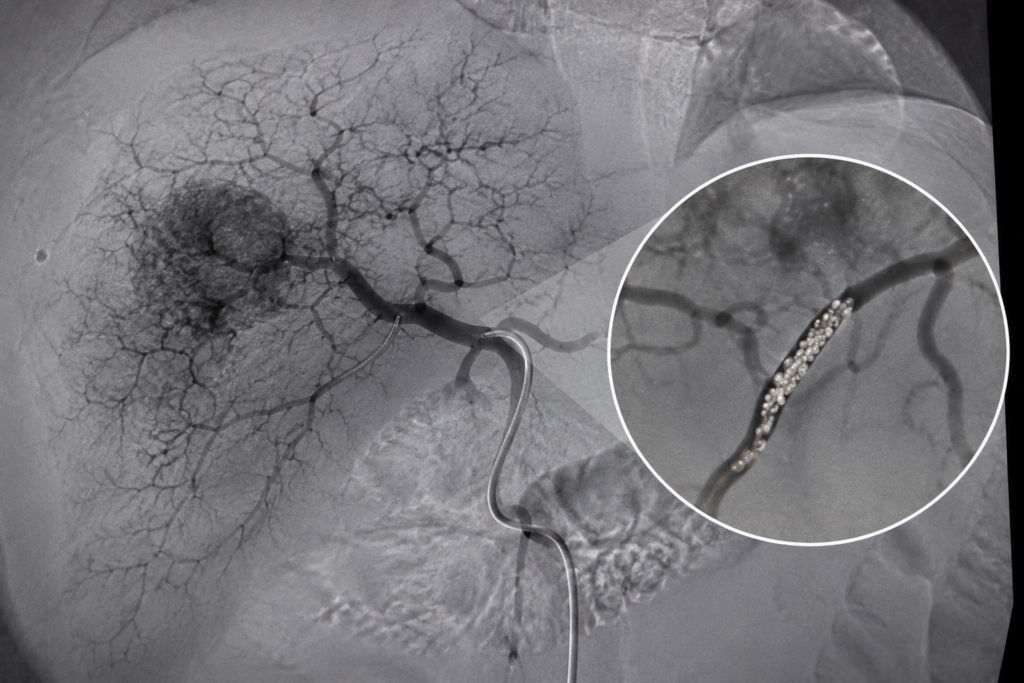
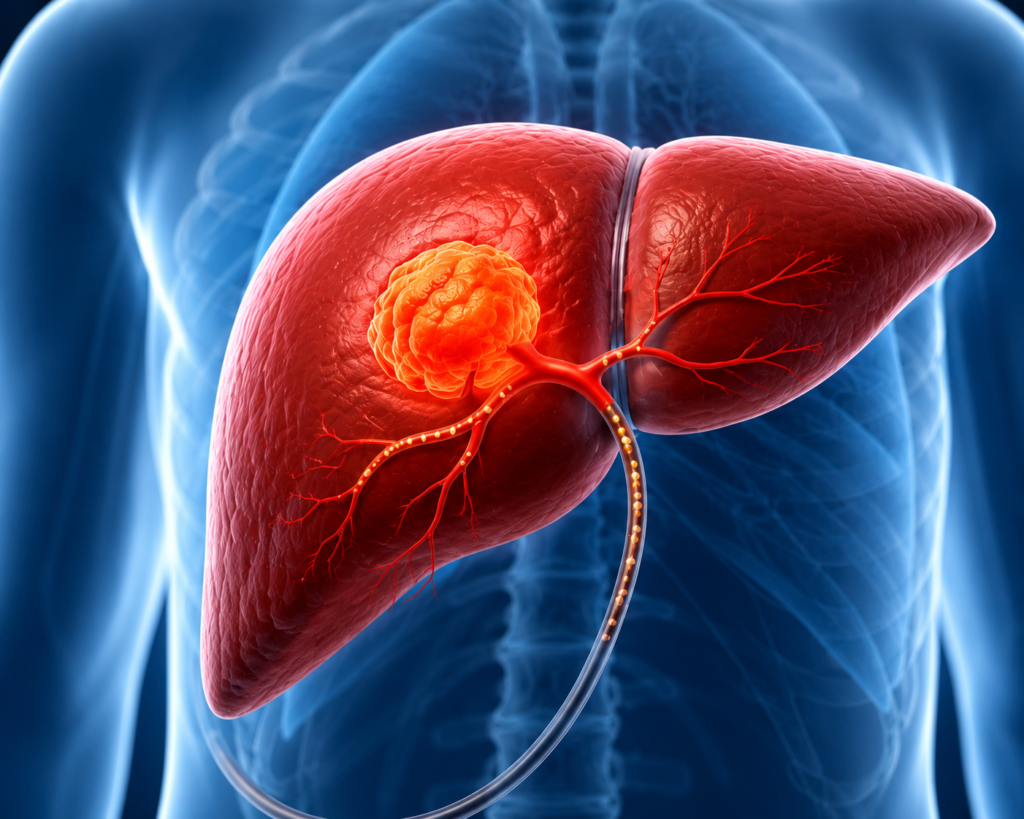
TARE is a targeted liver cancer treatment that delivers tiny radioactive particles directly into the blood vessels feeding a liver tumor.
The treatment uses Yttrium-90 (Y90) microspheres. These microscopic particles release radiation inside the tumor while reducing damage to surrounding healthy tissue.
Unlike traditional surgery, TARE does not require large cuts or stitches. Doctors perform the procedure through a thin catheter inserted into a blood vessel.
TARE is commonly used for:
- Liver cancer
- Hepatocellular carcinoma (HCC)
- Liver tumors that cannot be removed surgically
- Cancer that has spread to the liver
- Certain metastatic liver tumors
Who Needs TARE Treatment?
Doctors may recommend TARE for patients who:
- Have liver cancer that cannot be removed surgically
- Are not responding well to chemotherapy
- Need targeted tumor control.
- Have tumors limited mainly to the liver.
- Want a minimally invasive treatment option.
- Need treatment with a shorter recovery time.
TARE may help patients maintain quality of life while slowing tumor growth.
Symptoms of Liver Cancer
Many patients search for treatment only after symptoms begin affecting daily life.
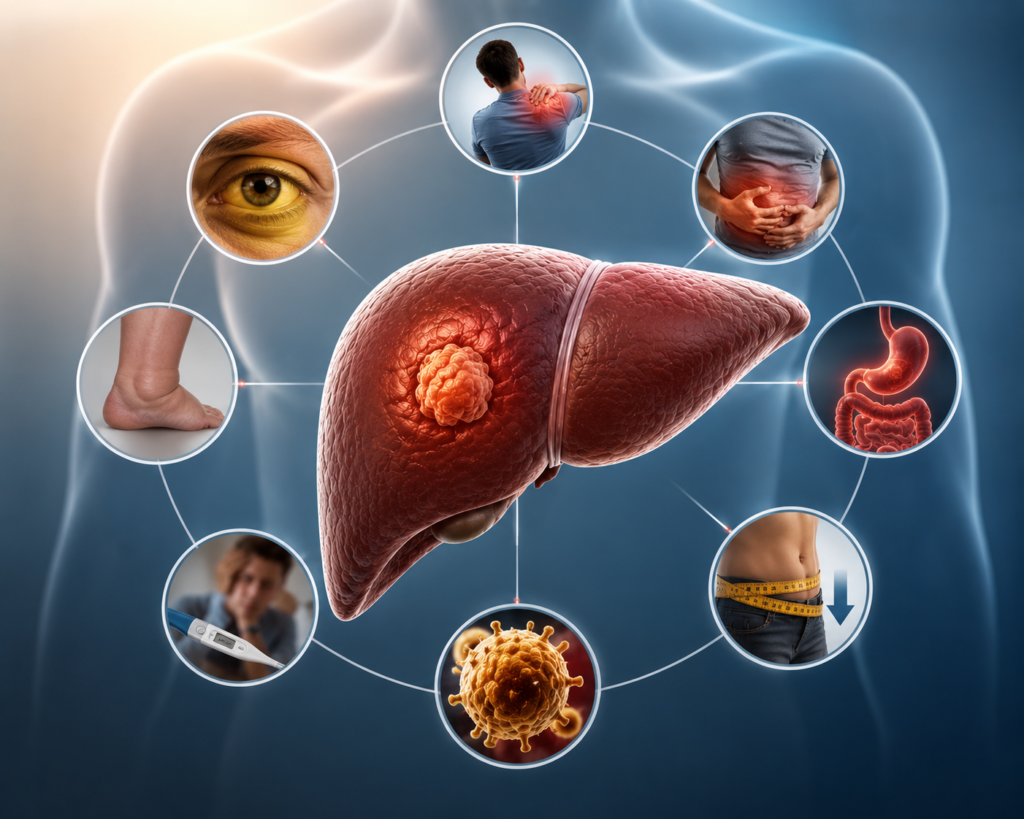
Common symptoms include:
- Pain or heaviness in the upper abdomen
- Unexplained weight loss
- Loss of appetite
- Weakness and fatigue
- Swelling in the abdomen
- Nausea
- Yellowing of the skin or eyes (jaundice)
If you experience persistent symptoms, early evaluation can improve treatment planning.
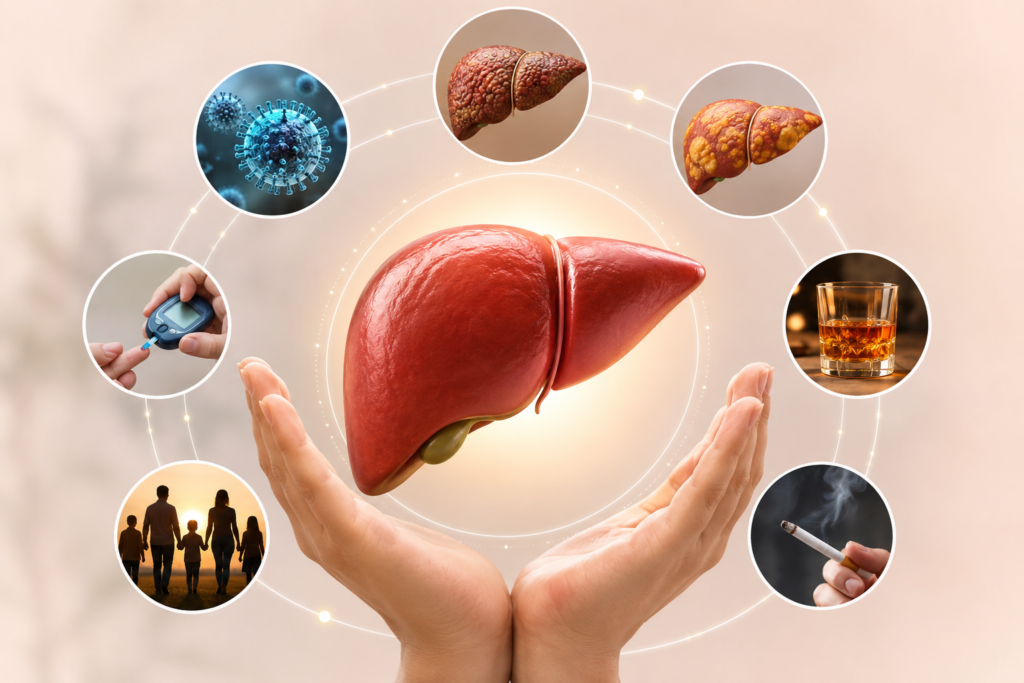
Causes & Risk Factors for Liver Cancer
Several conditions can increase the risk of liver cancer.
Common risk factors include:
- Chronic hepatitis B or hepatitis C
- Liver cirrhosis
- Fatty liver disease
- Alcohol-related liver damage
- Diabetes and obesity
- Smoking
- Family history of liver disease
Early diagnosis and timely treatment can improve outcomes significantly.
Benefits of the TARE Procedure
Why do many patients prefer TARE treatment in Mohali?
Minimally Invasive
Doctors perform the procedure through a small puncture instead of open surgery.
Targeted Radiation Delivery
TARE attacks cancer cells directly while protecting healthy liver tissue.
Shorter Hospital Stay
Many patients recover faster compared to major surgery.
Suitable for Non-Surgical Cases
Patients who cannot undergo surgery may still qualify for TARE.
Better Quality of Life
Many patients experience symptom relief and improved comfort.
Precision-Based Treatment
Advanced imaging helps doctors target tumors accurately.
How TARE Works
The procedure works by blocking the blood supply feeding the tumor while delivering radiation directly into cancer cells.
Step-by-step explanation:
Step 1: Imaging & Planning
Doctors first study the liver using CT scans, MRI, and angiography.
Step 2: Catheter Placement
A thin tube called a catheter enters through the groin or wrist artery.
Step 3: Delivery of Y90 Microspheres
Tiny radioactive beads travel directly into the tumor’s blood supply.
Step 4: Radiation Targets the Tumor
The beads release focused radiation over time to destroy cancer cells.
The procedure usually causes less trauma compared to open surgery.
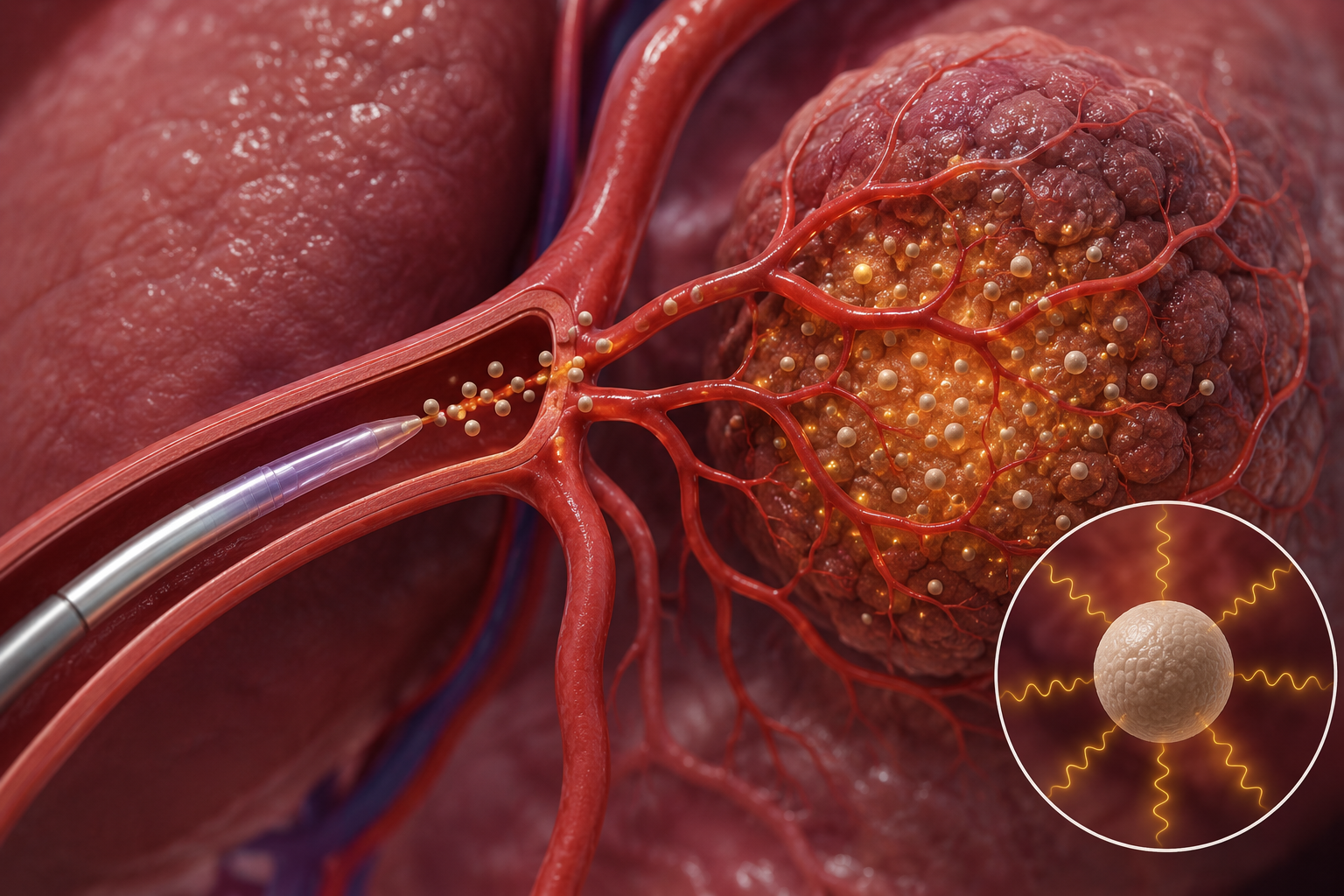
How TARE Works
The procedure works by blocking the blood supply feeding the tumor while delivering radiation directly into cancer cells.
Step-by-step explanation:
Step 1: Imaging & Planning
Doctors first study the liver using CT scans, MRI, and angiography.
Step 2: Catheter Placement
A thin tube called a catheter enters through the groin or wrist artery.
Step 3: Delivery of Y90 Microspheres
Tiny radioactive beads travel directly into the tumor’s blood supply.
Step 4: Radiation Targets the Tumor
The beads release focused radiation over time to destroy cancer cells.
The procedure usually causes less trauma compared to open surgery.
Why Choose Dr. Tegbir Sidhu for TARE Treatment?
Choosing the right specialist matters in liver cancer treatment.
Dr. Tegbir Sidhu specializes in advanced interventional radiology procedures designed to treat complex liver conditions using minimally invasive techniques.
Patient’s value:
- Personalized treatment planning
- Advanced image-guided procedures
- Focus on minimally invasive care.
- Detailed patient counseling
- Precision-driven treatment approach
- Liver tumor management expertise
Patients from Chandigarh, Mohali, Panchkula, Punjab, Haryana, and Himachal Pradesh seek consultation for advanced liver cancer care close to home.
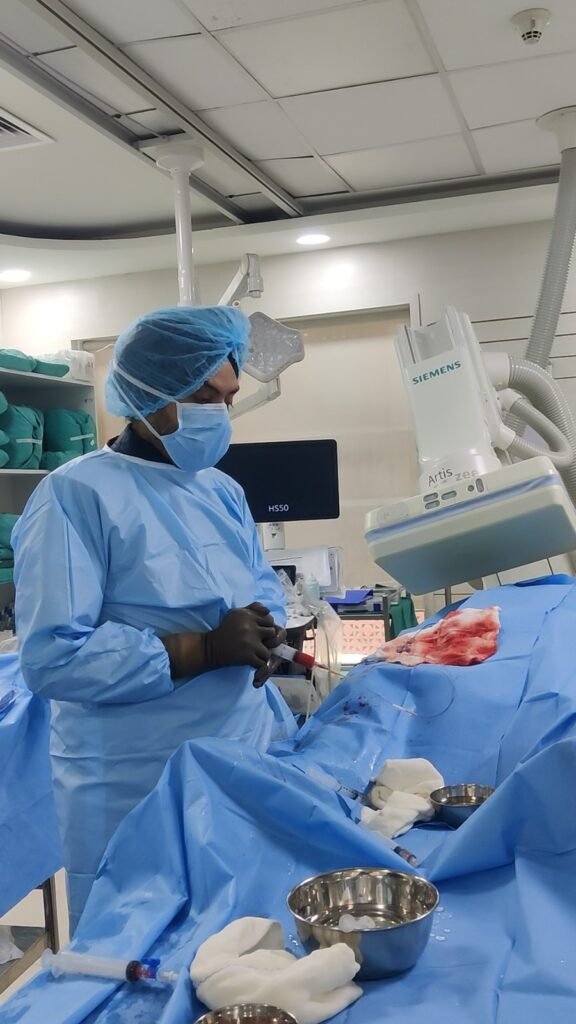
TARE Treatment Process Step-by-Step
1. Initial Consultation
The doctor reviews reports, scans, liver function, and overall health.
2. Diagnostic Imaging
Detailed imaging helps identify tumor size and blood supply.
3. Pre-Treatment Mapping
A planning angiography checks blood flow before treatment.
4. TARE Procedure
The doctor delivers Y90 particles through a catheter into the liver tumor.
5. Observation & Recovery
Patients remain under observation for monitoring.
6. Follow-Up Scans
Imaging helps assess tumor response after treatment.
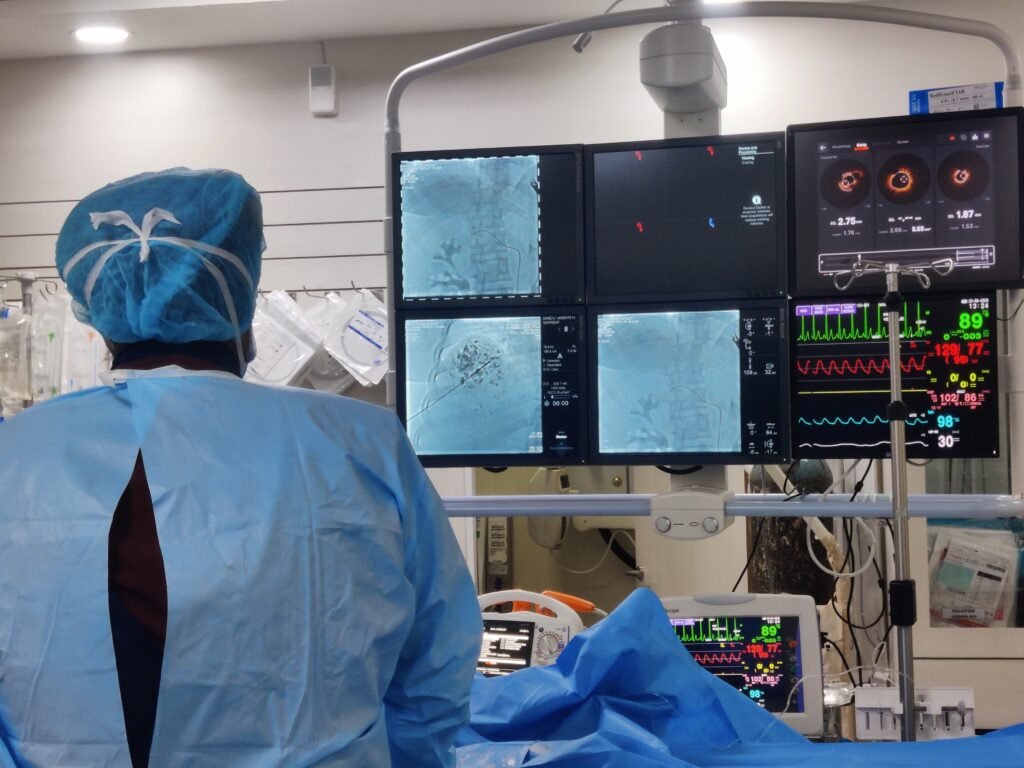
Trusted Across North India
Patients from Chandigarh, Mohali, Panchkula, Punjab, Haryana and Himachal trust Dr. Tegbir Sidhu for accurate diagnosis and advanced liver tumor treatment.
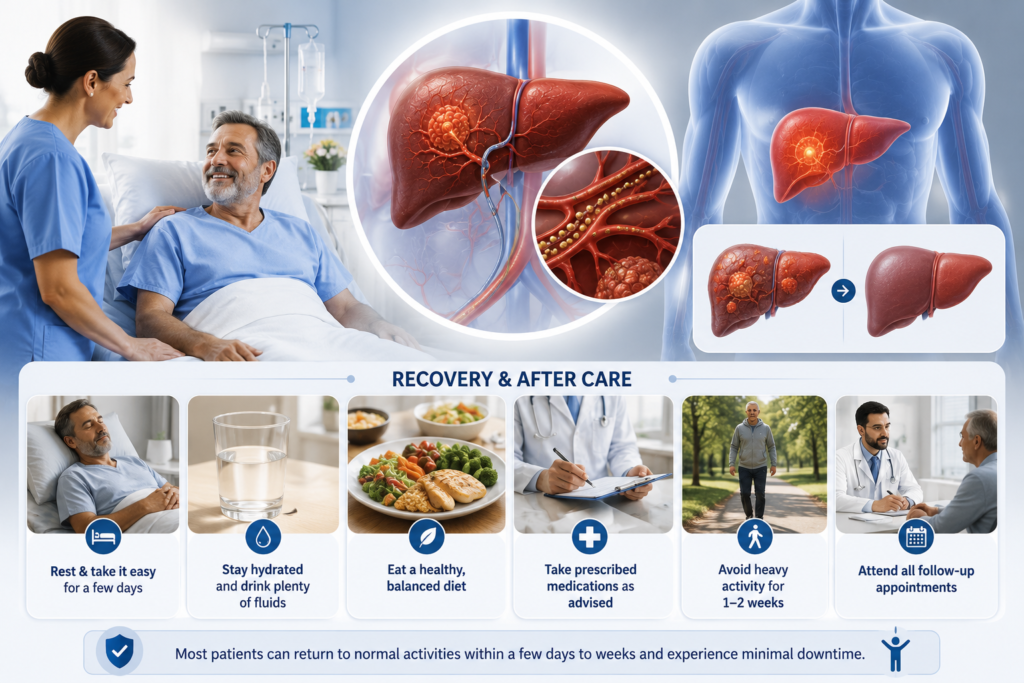
Recovery & Aftercare
Recovery after TARE is usually faster than major liver surgery.
Most patients can:
- Resume light activities within a few days.
- Return home quickly
- Manage mild discomfort with medications.
Some temporary side effects may include:
- Fatigue
- Mild abdominal discomfort
- Nausea
- Low fever
Doctors provide detailed aftercare instructions for safe recovery.
Regular follow-up remains important for monitoring treatment response.
Risks and Safety of TARE Treatment
TARE is generally considered safe when performed by experienced specialists.
However, like all medical procedures, certain risks may occur.
Risks and Safety of TARE Treatment
- Temporary fatigue
- Mild pain
- Nausea
- Low fever
Frequently Asked Questions
What is the success rate of TARE treatment?
Success depends on tumor size, liver function, cancer stage, and overall health. TARE often helps control liver tumors and improve quality of life.
Is Y90 radioembolization painful?
Most patients experience minimal discomfort because the procedure uses a catheter and does not involve major surgery.
How long does TARE treatment take?
The procedure usually takes a few hours, depending on the complexity of the case.
Who is eligible for TARE treatment in Mohali?
The procedure usually takes a few hours, depending on the complexity of the case.
Is hospitalization required after TARE?
Many patients stay for observation and return home shortly after recovery.
What is the difference between TARE and chemotherapy?
Chemotherapy affects the whole body, while TARE delivers targeted radiation directly to liver tumors.