TACE Procedure in Mohali for Liver Cancer Treatment
Advanced Liver Cancer Care by Dr. Tegbir Sidhu |
Looking for an effective, minimally invasive treatment for liver cancer in Mohali?
Dr. Tegbir Sidhu offers advanced TACE Procedure in Mohali to help control liver tumors while protecting healthy liver tissue.
TACE, also known as Transarterial Chemoembolization, targets liver tumors directly using image-guided technology. This treatment helps many patients avoid major surgery and supports a better quality of life.
What is the TACE Procedure?
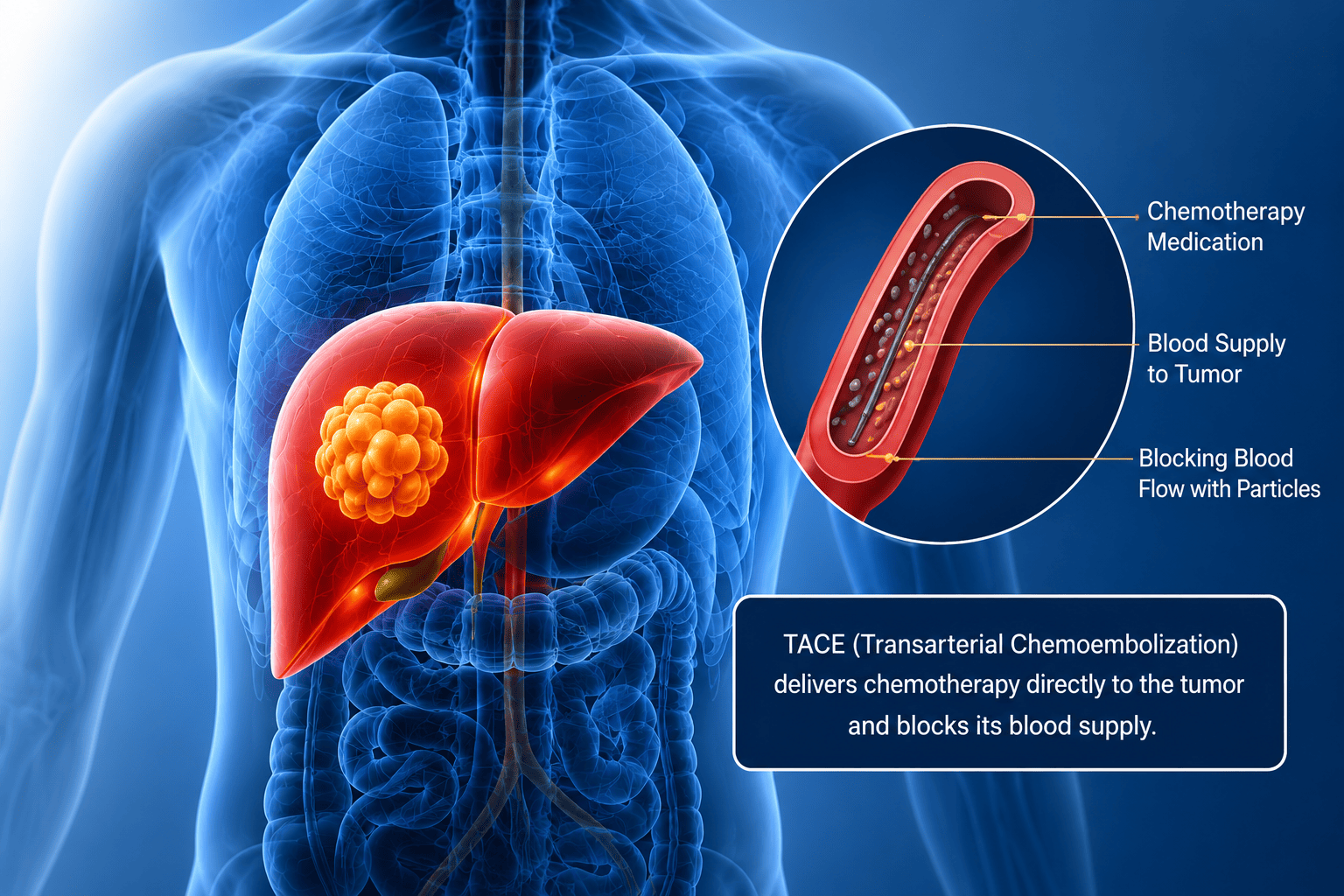
ACE stands for Transarterial Chemoembolization. It is a minimally invasive treatment commonly used for liver cancer and liver tumors.
In this procedure, a specialist delivers chemotherapy medicine directly into the blood vessels feeding the tumor. Small particles then block the blood supply to the cancer cells. This combination helps shrink or control the tumor more effectively.
TACE Treatment in Mohali is often recommended for:
- Liver cancer
- Unresectable liver tumors
- Secondary liver tumors
- Patients not suitable for surgery
Who Needs TACE Treatment?
- You have liver cancer that cannot be removed surgically.
- The tumor is limited mainly to the liver.
- Surgery or a liver transplant is not currently possible.
- Other treatments have not shown the expected results.
- You need targeted liver cancer treatment with quicker recovery.
Dr. Tegbir Sidhu carefully evaluates each patient before suggesting treatment.
Symptoms of Liver Cancer
- Persistent abdominal pain
- Unexplained weight loss
- Loss of appetite
- Weakness and fatigue
- Swelling in the abdomen
- Yellowing of skin or eyes (jaundice)
- Nausea or vomiting
- If you notice these symptoms, early evaluation can improve treatment options.
- Causes and Risk Factors
- Chronic hepatitis B or hepatitis C
- Liver cirrhosis
- Fatty liver disease
- Alcohol-related liver damage
- Smoking
- Obesity
- Diabetes
- Benefits of the TACE Procedure
Minimally Invasive Liver Cancer Treatment
TACE offers several advantages compared to traditional surgery.
Benefits Included:
- No large surgical cuts
- Targeted treatment delivery
- Reduced damage to healthy liver tissue
- Shorter hospital stay
- Faster recovery time
- Better tumor control
- Can be repeated if needed
- Suitable for many non-surgical patients
- How the TACE Procedure Works
Dr. Tegbir Sidhu performs the procedure using advanced imaging guidance.
During the Procedure:
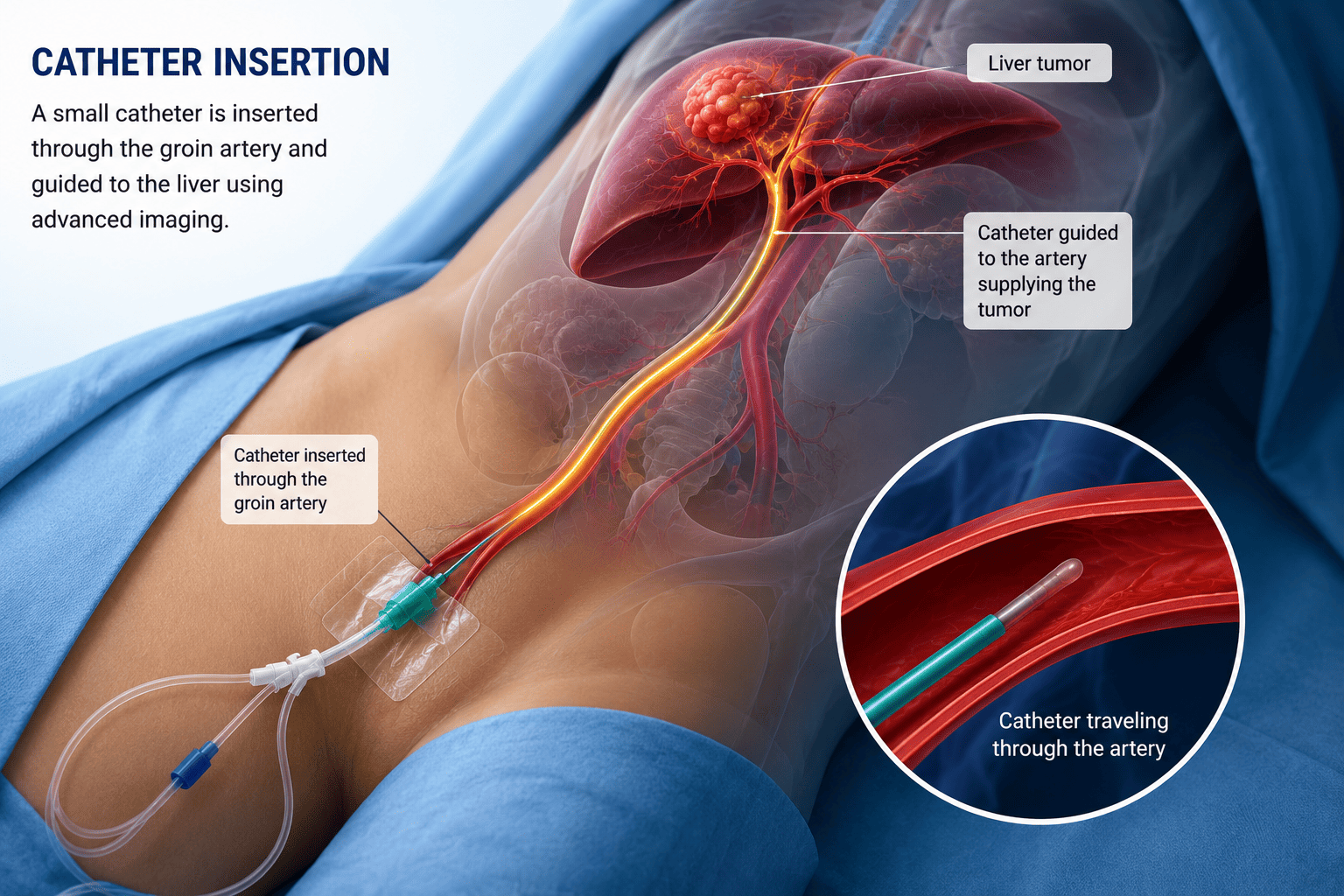
- A small catheter is inserted through the wrist or groin artery.
- The catheter reaches the artery supplying blood to the liver tumor.
- Chemotherapy medicine is delivered directly into the tumor.
- Tiny particles block the blood flow feeding the cancer cells.
- The tumor receives less oxygen and nutrients, helping slow its growth.
Why Choose Dr. Tegbir Sidhu?
Trusted Interventional Radiologist in Mohali |
Patient Choose Dr. Tegbir Sidhu Because:
- Expertise in interventional radiology procedures
- Advanced minimally invasive treatment techniques
- Focus on liver tumor management.
- Personalized treatment planning
- Patient-friendly consultation approach
- Modern technology and imaging support
- Emphasis on safety and recovery
- Patients across Chandigarh, Mohali, Panchkula, Punjab, Haryana, Himachal and J&K visit for expert liver cancer treatment guidance.
TACE Treatment Process Step-by-Step
Before the Procedure
- Medical evaluation
- Imaging scans
- Blood tests
- Liver function assessment
During the Procedure
- Local anesthesia or mild sedation
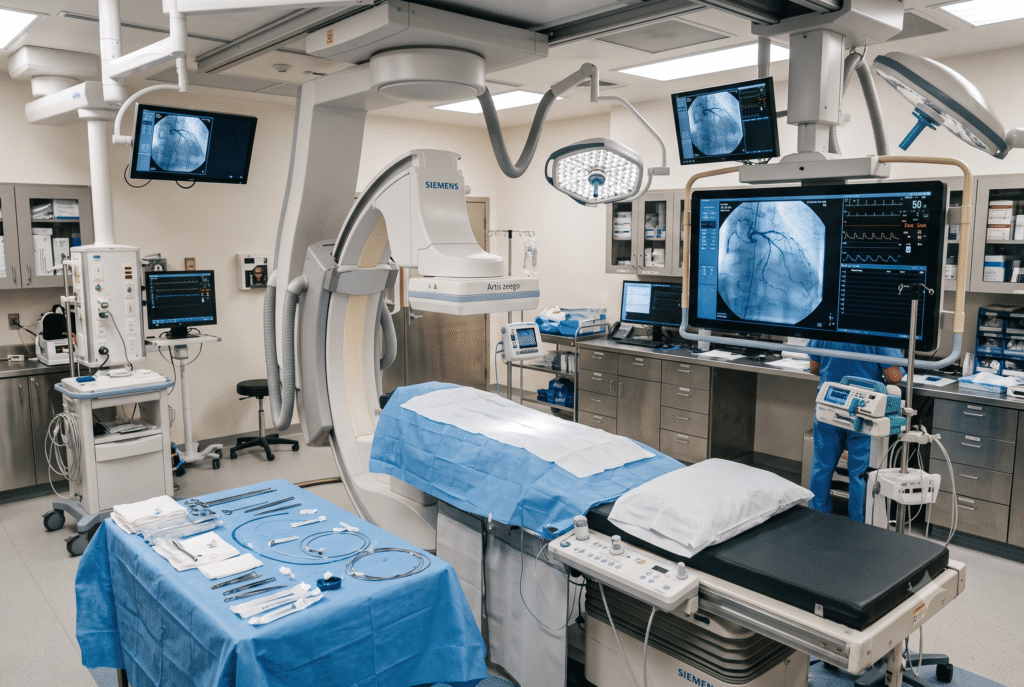
- Catheter-guided treatment
- Real-time imaging support
After the Procedure
- Monitoring for a few hours
- Pain and symptom management
- Recovery guidance
- Follow-up imaging
Recovery & Aftercare
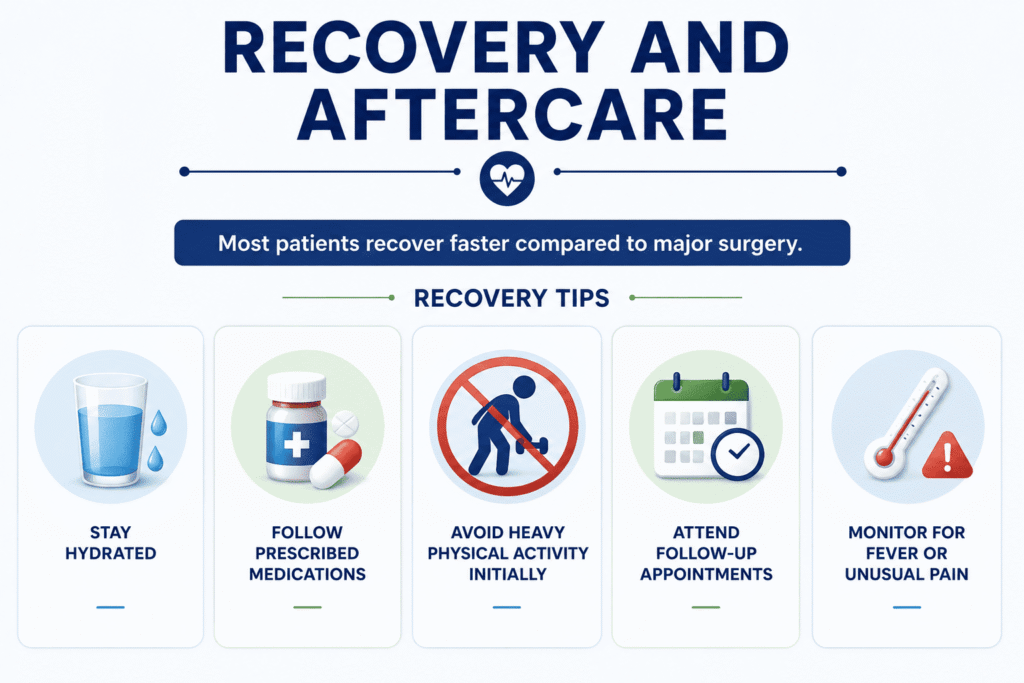
Recovery Tips:
- Stay hydrated
- Follow prescribed medications
- Avoid heavy physical activity initially.
- Attend follow-up appointments
- Monitor for fever or unusual pain.
- Some patients may experience mild fatigue, nausea, or discomfort temporarily after treatment. Dr. Tegbir Sidhu provides complete aftercare support to help patients recover safely.
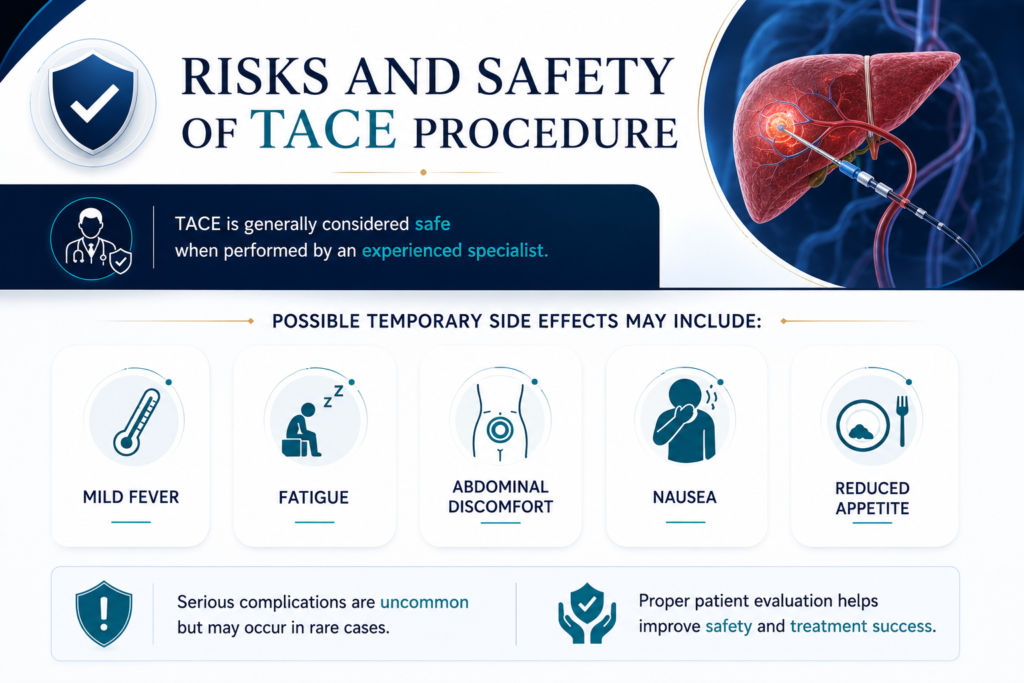
Risks and Safety of TACE Procedure
- Mild fever
- Fatigue
- Abdominal discomfort
- Nausea
- Reduced appetite
- Serious complications are uncommon but may occur in rare cases. Proper patient evaluation helps improve safety and treatment success.