
Permacath Placement in Mohali
Long-Term Dialysis Access |
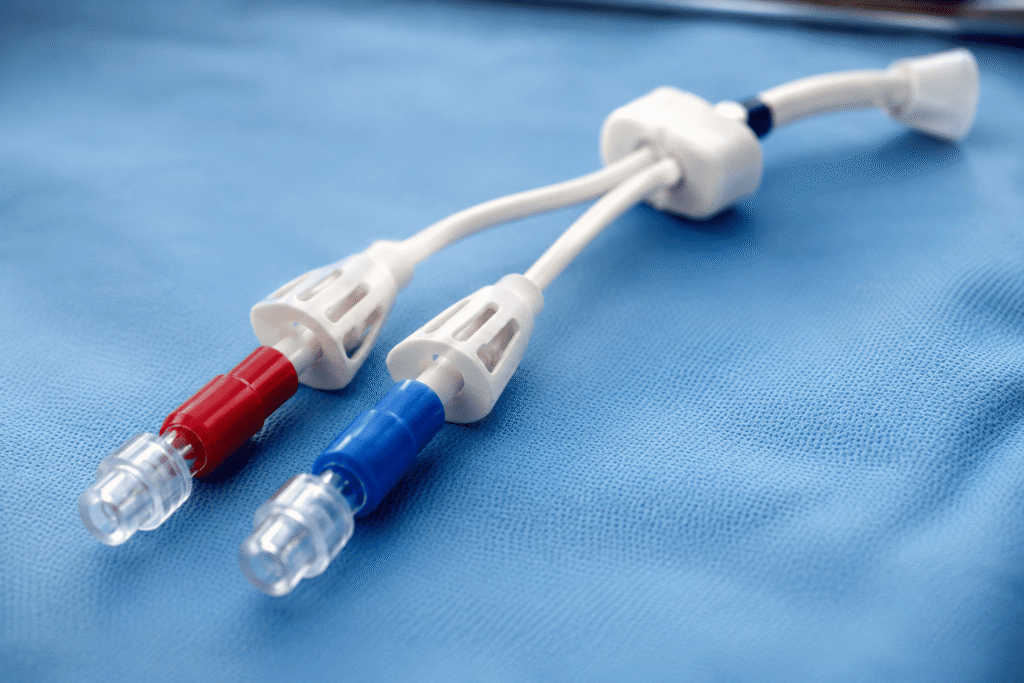
What is a Permacath?
Understanding Your Long-Term Hemodialysis Access
Who Needs a Permacath Insertion?
✅ An arteriovenous (AV) fistula or graft has failed or is not an option.
✅ You have exhausted other vascular access sites in your arms.
✅ You need a reliable “bridge” to allow an AV fistula to mature before use.
✅ You require a stable, long-term access point for your dialysis treatments.
Signs You May Need a New Dialysis Access
❗ Your current AV fistula or graft is not maturing or is failing to provide adequate blood flow.
❗ You have developed an infection at your current dialysis access site.
❗ Your access site is blocked or has a blood clot.
❗ Your dialysis nurse has difficulty achieving sufficient blood flow during your treatment.
Causes and Risk Factors for Dialysis Access Failure

Blood Clots
Clotting within the blood vessel or the catheter itself can block flow.

Vein Narrowing (Stenosis
The vein can become narrow over time, restricting blood flow.

Infection
This is a serious risk with any medical device, making sterile, expert placement crucial.

Previous Surgeries
Scarring from prior access procedures can make it difficult to find suitable veins.

Pre-Existing Conditions
Conditions like diabetes or vascular disease can affect your vein health.
Benefits of Choosing a Permacath for Hemodialysis

Stable, Long-Term Use
Provides a durable access point for months or years of hemodialysis treatment.

Reduced Pain
Avoids the repeated needlesticks associated with AV fistulas.

Immediate Use
A Permacath can often be used for dialysis immediately after placement, unlike an AV fistula, which can take months to mature.

Lower Infection Risk
The tunneled design is safer than temporary catheters.
How is the Permacath Insertion Procedure Performed?
- 1️⃣ Before the Procedure
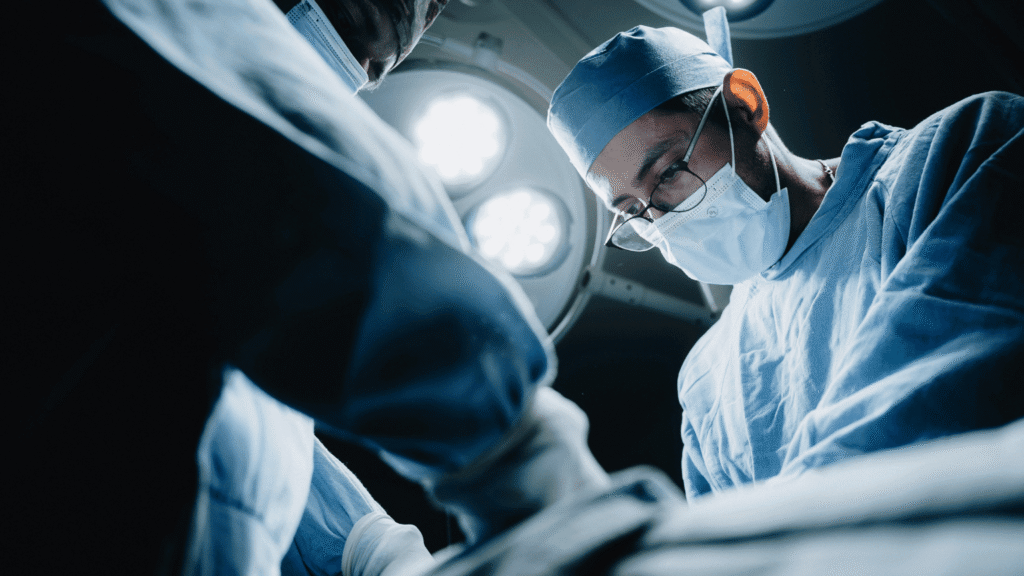
- 2️⃣ During the Procedure
✔ Make a Small Incision: A tiny incision is made in your neck to access the jugular vein.
✔ Create a Tunnel: A small, shallow tunnel is created under the skin of your chest.
✔ Insert the Catheter: The Permacath is carefully guided through the tunnel and into the vein, resting in the large vein just above your heart.
✔ Secure the Placement: The catheter is secured in place with stitches. The entire procedure typically takes less than an hour.
- 3️⃣ After the Procedure

- Success of Tunneled Catheter Placement
97.7 Success Rate |
Why Dr. Tegbir Sidhu?
- Renowned Expertise: Dr. Tegbir Sidhu is a highly respected Principal Consultant in Interventional Radiology at Max Super Speciality Hospital, Mohali.
- Vast Experience: With over 15 years of experience and advanced training in interventional radiology, he has performed numerous complex cases and is known for his meticulous attention to detail.
- Compassionate Care: Dr. Sidhu believes in treating every patient with empathy and is dedicated to providing clear, accurate diagnoses and the highest standard of care.
- Minimally Invasive Approach: As an interventional radiologist, he uses image-guided, minimally invasive techniques that are safer and promote faster recovery.

Step-by-Step Treatment Process at Our Mohali Clinic
Here’s what you can expect when you choose us for your hemodialysis catheter insertion
Consultation
Your journey begins with a thorough consultation where Dr. Sidhu reviews your medical history, current health, and dialysis needs. He will explain the Permacath procedure in detail and answer all your questions.
Pre-Procedure Planning
Using advanced ultrasound, Dr. Sidhu will precisely map the optimal vein for insertion to ensure optimal placement.
The Procedure Day
The procedure is performed in a sterile environment. You will be comfortable and relaxed, and the procedure will be completed in a short time.
Short Observation
You will be observed for a short period before being cleared to go home. Our team will provide clear instructions for your aftercare.
- Recovery and Aftercare for Your Permacath
- Keep the Dressing Dry: For the first few days, it is vital to keep the dressing clean and dry to prevent infection.
- Watch for Signs of Infection: Contact your doctor immediately if you notice any redness, swelling, pain, or drainage at the insertion site, or if you develop a fever.
- Treat it with Care: Avoid pulling on the catheter. Your dialysis team will show you the best ways to manage it.
- Limit Physical Activity: You may need to avoid heavy lifting or strenuous activity for a few weeks to allow the site to heal.
- Risks and Safety of the Procedure
- Infection: The most significant risk, which can often be managed with antibiotics.
- Catheter Blockage: Blood clots can form, which may require treatment to clear the line .
- Collapsed Lung (Pneumothorax): A rare but possible risk during catheter insertion.
- Arrhythmia: An irregular heartbeat that may occur when the catheter is placed too deeply.